


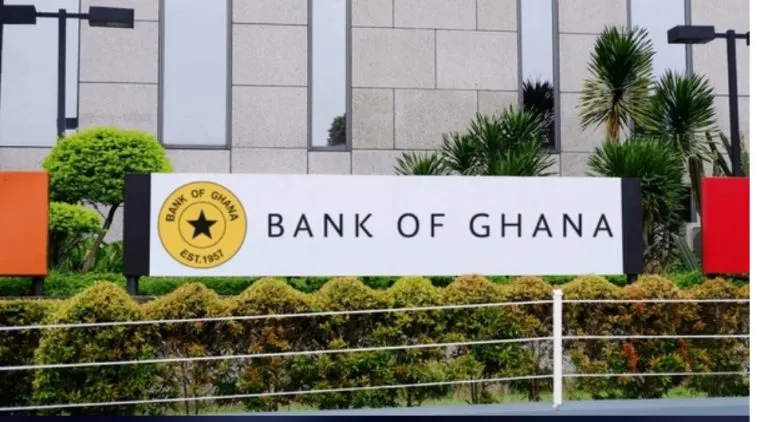
The Bank of Ghana (BoG) has introduced a new Foreign Exchange (FX) Operations Framework aimed at enhancing transparency, strengthening market confidence, and promoting macroeconomic stability.
According to a statement issued by the Bank’s Communications Department, the new framework, approved by the BoG Board, is designed to clarify the objectives and guiding principles for the Bank’s FX operations while maintaining Ghana’s flexible exchange rate regime.
The framework seeks to reinforce the Bank’s commitment to macroeconomic stability under its inflation-targeting mandate, ensuring that exchange rates remain determined by market forces.
Under the new system, BoG’s FX operations will focus on three main objectives: supporting reserve accumulation to provide a buffer against external vulnerabilities; mitigating excessive short-term volatility in the foreign exchange market; and conducting market-neutral FX flows using inflows from initiatives such as the Gold Purchase Programme and other export surrender arrangements.
“The framework emphasises a rule-based approach that allows exchange rates to be determined by market forces while limiting excessive short-term volatility—but not eliminating it,” the statement explained. It further clarified that FX interventions will not target a specific exchange rate level but will instead address market failures and hedge risks associated with tail events.
As part of efforts to ensure transparency and predictability, the Bank announced that all auction amounts will be pre-announced and results published on the same day. Bi-weekly FX operations for flow intermediation will be announced at the start of each month, while interventions to reduce volatility will be disclosed on the same day or one day prior to execution. Additionally, BoG will publish monthly FX operations data within five business days after month-end.
“This new FX Operations Framework reflects our commitment to transparency, market confidence, and macroeconomic stability,” the statement concluded. “By clarifying our objectives and processes, we aim to strengthen resilience while preserving the flexibility of Ghana’s exchange rate regime.”
Leave a Reply