


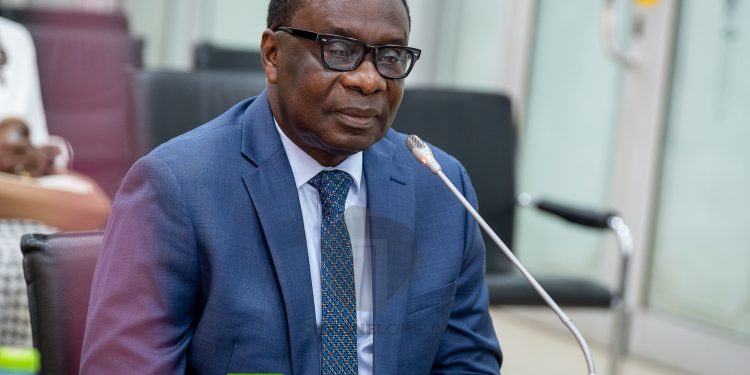
Deputy Minister-nominee for Foreign Affairs and Regional Integration, James Gyakye Quayson, has reiterated his firm stance against LGBTQ-related activities in Ghana, making it clear that he will not endorse any initiatives aimed at advancing or legitimizing such practices within the country.
Speaking before Parliament’s Appointments Committee on Friday, July 25, the Assin North MP explained that his views are rooted in long-standing cultural and personal convictions, shaped over many years including during his residence abroad.
“As a true African, I’m not in support of LGBTQ,” he declared. “I was in Canada when LGBTQ was liberalized, but I was one of the people who campaigned against it. So I will never be in support of it.”
Mr. Quayson, who spent 42 years living in Canada before returning to Ghana to pursue a political career, emphasized that his beliefs are in harmony with those held by a majority of Ghanaians and reflect traditional African norms that reject same-sex relationships.
His comments come amid an ongoing national conversation and legislative push concerning LGBTQ rights in Ghana, particularly the contentious Proper Human Sexual Rights and Ghanaian Family Values Bill, commonly referred to as the anti-LGBTQ bill.
Initially tabled in Parliament in 2021 by a cross-party coalition of legislators, the bill aims to criminalize not only same sex sexual conduct which is already outlawed under current statutes but also the advocacy, financing, and promotion of LGBTQ-related causes in Ghana.
The draft law proposes punitive measures including imprisonment for individuals who identify as LGBTQ or engage in same-sex acts, with even stricter penalties for those involved in promoting or defending LGBTQ rights. It also seeks to outlaw public expressions of same-sex affection and the operation of LGBTQ organizations.
While the bill has received widespread backing from many Ghanaians, religious groups, and traditional leaders, it has faced strong opposition from global human rights bodies and foreign governments.
Critics argue that the legislation infringes on essential freedoms such as the right to expression, association, and personal identity.
In response, Ghanaian lawmakers have defended the bill as a necessary tool to uphold the country’s cultural heritage, protect minors, and reinforce the traditional family system.
Leave a Reply