


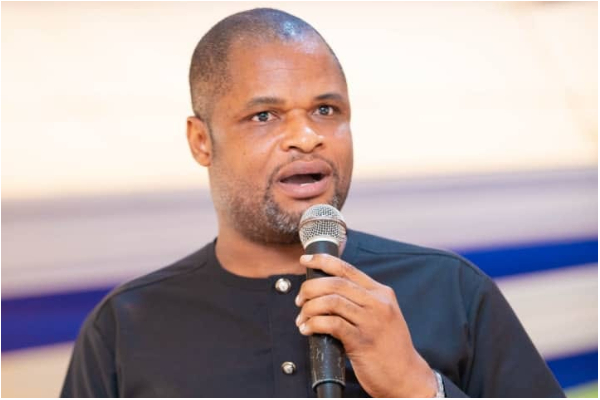
Member of Parliament for Hohoe, Thomas Worlanyo Tsekpo, has revealed that because he is unmarried, he personally goes to the market to buy foodstuffs, which has allowed him to witness firsthand the economic progress being championed by the Mahama administration.
According to him, this personal experience provides clear evidence that the cost of food items is declining under the current administration compared to what prevailed during the Akufo-Addo era.
Speaking during parliamentary discussions on the 2026 budget statement on Wednesday, November 19, he remarked: “Because I am a bachelor, I went to the market, and last year, Abena Rice was sold at 164 Cedis, just last year, Christmas, Frytol oil was sold at 60 Cedis. But just yesterday I bought the same rice at 99 Cedis and the oil for 39 Cedis. This is evidence of the economy that we have transformed from where they [NPP administration] left it, the junk status, to the status that we have transformed up to.”
Finance Minister Dr. Cassiel Ato Forson, following the budget presentation, also emphasized that confidence in Ghana’s economy has been restored due to policies introduced by the Mahama-led government.
“The prescription has worked, and today we see the benefits. Now, confidence is back; you need confidence to be able to run a good economy. Credibility is also important, your policy, the government. The storm has passed, the economy has regained its rhythm, we need to consolidate the gains and cement it to give us growth going forward,” he said on TV3’s Key Points program on Saturday, November 15.
Dr. Forson further outlined eight fiscal policy objectives for 2026, designed to advance the government’s vision and macroeconomic goals in line with Section 14 of the Public Financial Management Act, 2016 (Act 921).
He explained: “Government’s fiscal policy objectives for 2026 will focus on bold, practical and disciplined actions that drive growth while protecting the vulnerable.”
The fiscal priorities listed include:
- Sustaining a primary surplus of at least 1.5% of GDP under the Fiscal Responsibility Framework.
- Expanding domestic revenue through the Medium-Term Revenue Strategy, digital tax systems, and enforcement in the digital economy.
- Cutting waste, ensuring value for money, and rationalizing expenditure to eliminate inefficiencies.
- Safeguarding social spending in education, health, and social protection to support the poor and build human capital.
- Creating fiscal space for development by prioritizing investments in roads, agriculture, agribusiness, and land reforms.
- Strengthening debt sustainability through prudent borrowing, active debt management, and transparent reporting.
- Enhancing expenditure control and audit systems to prevent arrears and improve accountability across ministries and agencies.
- Remaining flexible and proactive to adjust revenue and spending measures as needed to stay on track.
Leave a Reply