


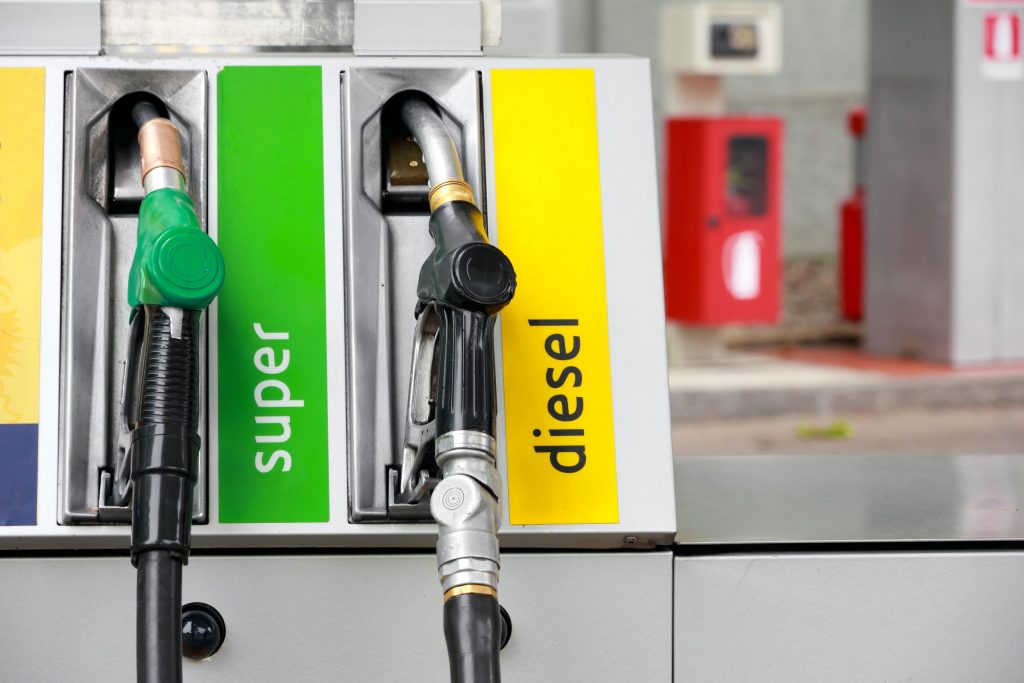
Oil Marketing Companies (OMCs) are anticipated to start raising fuel prices at filling stations from today, November 17.
This move comes after the routine fortnightly review of petroleum product prices and projections from the Chamber of Oil Marketing Companies (COPEC), which estimates a 1% to 4% increase per litre across various fuels.
Some OMCs informed JOYBUSINESS that they will implement the new prices immediately, while others plan to monitor competitive trends before making changes.
According to COPEC’s Pricing Outlook Report, the anticipated hikes are largely influenced by the upward movement of crude oil prices on the global market.
Crude oil rose by 2.95% in mid-November 2025 — moving from $62.82 to $64.67 per barrel — amid heightened risks tied to global trade tensions, the U.S. government shutdown, and fresh sanctions on Russian oil.
This surge translated into notable increases in key petroleum products:
- Petrol climbed by 3.85%
- Diesel jumped by 12%
- LPG went up by 6.97%
Despite the cedi’s recent strengthening, its gains were insufficient to fully offset the upward price adjustments.
Some OMCs told JOYBUSINESS that without the cedi’s appreciation, fuel costs would have spiked even more sharply than current forecasts.
COPEC’s report highlights that during the pricing window beginning November 16, 2025, the cedi strengthened from GH¢11.12 to GH¢10.94 — a 1.57% improvement.
Databank Research, however, predicts mild short-term pressure on the cedi due to limited foreign exchange supply, despite expectations of a $300 million IMF inflow in December 2025, improved investor confidence from better credit ratings, and signals that the Bank of Ghana may reduce its forex market interventions.
Industry figures suggest petrol could rise between 1.18% and 3.54%, retailing at roughly GH¢13.15 per litre.
Diesel prices may climb by up to 3.82%, potentially reaching GH¢13.60 per litre.
LPG is projected to increase between 1.32% and 3.53%.
COPEC data also shows that during the November 2025 pricing review, some companies cut prices by as much as 12%, 7%, and as little as 4% per litre. Averaging these reductions gives about 6.96%, indicating Ghana experienced one of the steepest declines in petroleum product prices this year — and possibly in recent history.
Leave a Reply