


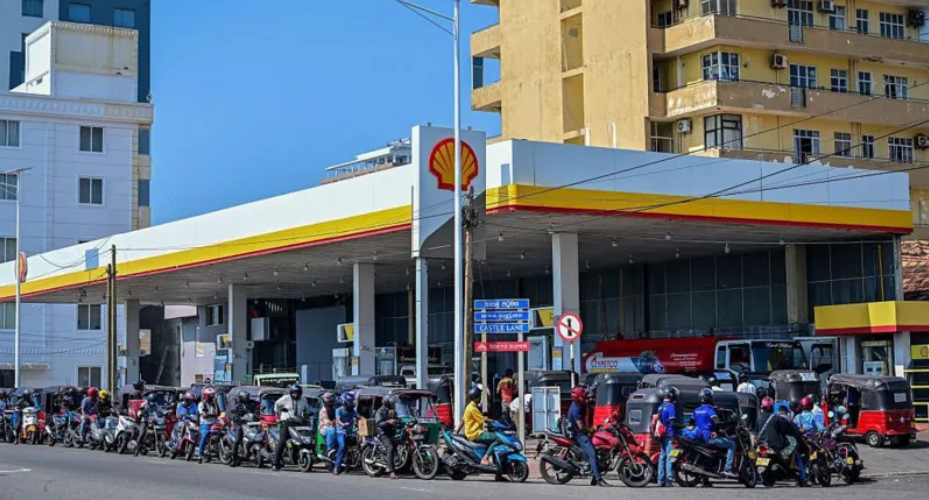
Sri Lanka has announced that every Wednesday will be a holiday for public institutions as part of emergency measures to conserve fuel, with the country bracing for possible shortages triggered by the ongoing war between the US, Israel, and Iran.
“We must prepare for the worst, but hope for the best,” President Anura Kumara Dissanayake told senior officials during an emergency meeting on Monday.
The move is the latest in a wave of austerity steps across Asia after fighting in the Gulf disrupted shipments through the Strait of Hormuz, a vital corridor that last year carried nearly 90% of oil and gas bound for Asia — the world’s largest importing region.
Regional Responses to the Crisis Governments across Asia have introduced diverse measures to cope with rising energy costs.
- Thailand: Officials are urging citizens to swap formal suits for short-sleeved shirts to cut reliance on air conditioning.
- Myanmar: Private cars are restricted to alternate days of use, depending on license plate numbers.
- Bangladesh: Authorities advanced Ramadan holidays in universities and rolled out scheduled blackouts nationwide.
- Philippines: Some government offices now require staff to work from home at least once a week, while President Ferdinand Marcos Jr has banned non-essential public sector travel. He also announced cash aid of 3,000–5,000 pesos ($50–$84; £38–£63) for tricycle drivers, farmers, and fishermen.
- Vietnam: Citizens are being urged to stay home more often, ride bicycles, carpool, use public transport, and limit personal vehicle use unless necessary.
Sri Lanka’s Measures in Detail The new four-day week will extend to schools and universities, though essential services such as healthcare and immigration will remain unaffected. Officials explained that Wednesday was chosen instead of Friday to avoid a three-day weekend closure of government offices.
Motorists must also register for a National Fuel Pass, which rations purchases to 15 litres for private cars and five litres for motorcycles. The quotas, first introduced during Sri Lanka’s 2022 economic crisis, have sparked discontent among citizens who argue they are insufficient.
Oil prices have surged since the US and Israel began strikes on Iran late last month, hovering around $100 a barrel, intensifying pressure on economies across Asia.
SOURCE; BBC
Leave a Reply