


The Minority in Parliament has branded the 2026 Budget as “growthless, jobless, and minimalist,” arguing that it fails to tackle Ghana’s pressing economic difficulties.
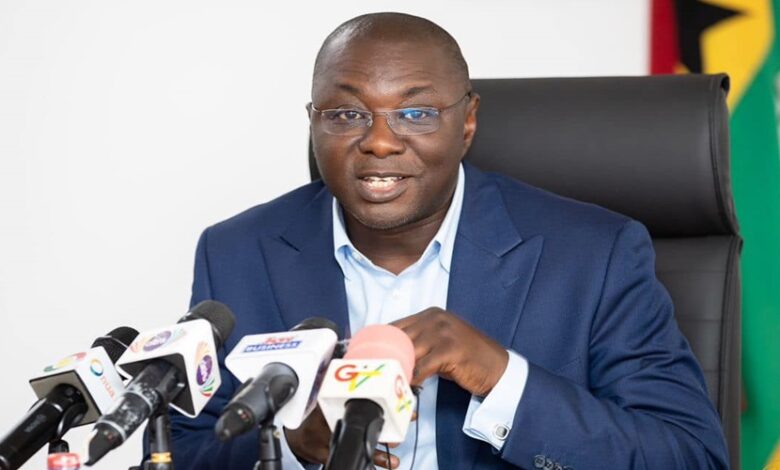
Addressing the media on Friday, November 14, former Finance Minister and Member of Parliament, Amin Adam, spoke on behalf of the caucus, criticising the budget for lacking depth and offering only “cosmetic rhetoric” from what he described as a “crawling government.”
“Ghana needs a better budget that strengthens revenue realism, expands productive investment, protects fiscal credibility, and enables the private sector to lead job creation. We can therefore describe the 2026 budget, the Galamsey budget, as growthless, jobless, and minimalist,” he said.
Adam stressed that the budget framework does not signal a significant shift toward employment generation, productivity, or economic transformation.
“Investment levels remain low, revenue projections are overly optimistic, and borrowing pressures are high. Key fiscal risks are under-discussed. Flagship programmes lack transparency and clear budget commitment,” he noted.
He cautioned that the government’s strategy of cutting expenditure to appear fiscally responsible could prove counterproductive.
“The lower GDP base and revenue shortfalls mechanically raise the debt-to-GDP ratio, even if the cash deficit is narrow. Sustainability requires sustained growth and credible revenue mobilisation, not austerity that undermines both,” he explained.
The Minority also pointed to concealed fiscal risks, such as uncovered government auctions, unattractive short-term debt maturities, and unmeasured liabilities of state-owned enterprises outside cocoa and energy. He added that climate and disaster-related risks are not adequately factored into the macro-fiscal framework.
“Without addressing these risks, fiscal stability could be short-lived. Policies without clear budget risk are becoming slogans rather than deliverable programmes,” he warned.
Criticising the government’s overall economic stewardship, the Minority stated:
“The state of the economy cannot be as good as the minister wants us to believe. It is associated with empty pockets, vanishing customers, sophisticated investors avoiding government auctions, and ministries struggling to function due to lack of basic resources.”
Adam emphasised the need for authentic leadership and discipline in fiscal management.
“What we need is genuine economic leadership rather than broken promises, real fiscal discipline rather than opportunistic austerity, and a government that delivers results rather than excuses.”
He concluded by underscoring the gap between promises and reality: “What we need is economic transformation, which Ghanaians were promised. But what we see now is economic stagnation masquerading as progress. The 2026 budget does not offer the hope needed to take us out of this.”
Leave a Reply