


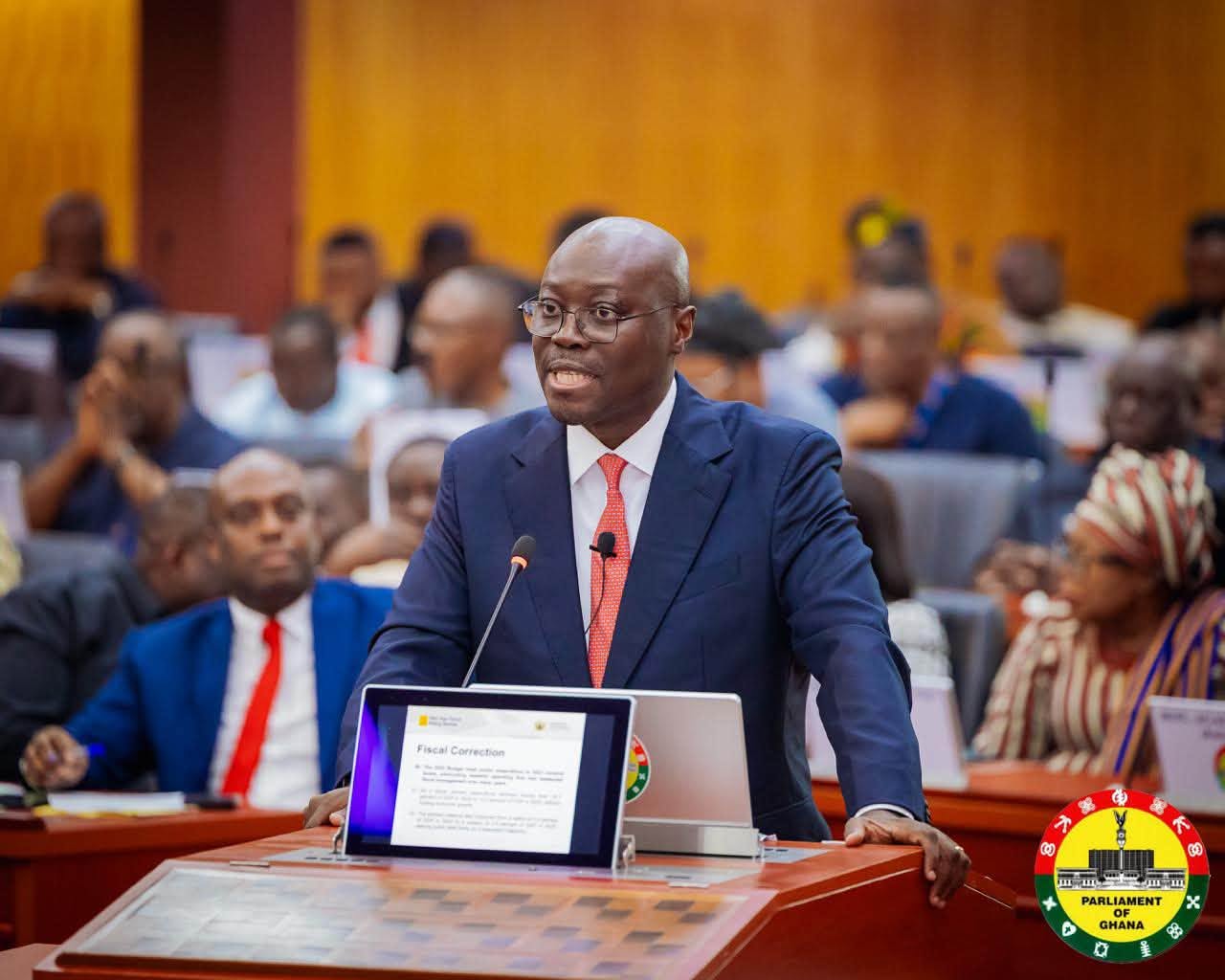
Finance Minister Dr. Cassiel Ato Forson has disclosed that government reforms in the gold sector delivered an additional $15 billion in foreign exchange inflows, a development that has markedly reinforced Ghana’s external reserves and supported exchange rate stability.
Presenting the 2026 Mid-Year Budget Review in Parliament on Thursday, July 23, Dr. Forson explained that the inflows stemmed from the creation of the Ghana Gold Board, a flagship policy initiative designed to combat gold smuggling, formalise the trade, and ensure that a larger share of mineral wealth benefits citizens.
He noted that the Gold Board forms part of a wider fiscal reform agenda intended to complement the Bank of Ghana’s inflation-targeting framework, while bolstering exchange rate stability and strengthening external resilience.
According to the Minister, the reforms generated the $15 billion inflows from gold, which enhanced reserve accumulation and contributed to the stability of the Ghana cedi.
Dr. Forson further highlighted that the policy significantly improved Ghana’s current account, with the surplus rising from 1.9 percent in 2024 to 8.3 percent in 2025. He described the change as a 6.4 percentage-point increase, representing a fourfold expansion of the surplus within a single year.
He emphasised that the Ghana Gold Board should not be seen solely as a mining-sector initiative but as a broader macroeconomic measure aimed at restoring stability.
“This was not simply a gold policy; this was a macroeconomic stabilisation policy designed to strengthen the cedi, build external buffers, and restore confidence in the Ghanaian economy,” he said.