


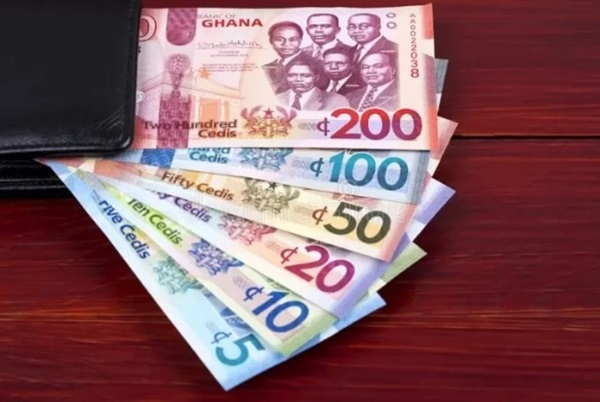
The Bank of Ghana has issued a stern reminder to the public to desist from acts that undermine the integrity of the national currency, warning that offenders risk arrest, prosecution, fines, or imprisonment under the Currency Act, 1964 (Act 242).
In a notice signed by Aimee Vyda Quashie, Secretary of the Bank, the central bank emphasized its mandate to preserve the integrity and functionality of the Ghana cedi. It cautioned against practices such as writing on notes, cutting or altering coins, spraying money at social events, and using currency for decorations including “money bouquets” and jewelry.
The Bank stressed that such acts amount to tampering, defacement, and improper use of legal tender, noting that they depreciate the value of the currency and impair its lawful use. It further highlighted that unconventional uses — including scattering notes on the ground, dancing or stepping on currency, or mutilating coins — are punishable offences.
To ensure compliance, the Bank of Ghana said it is working closely with state law enforcement agencies to monitor and prosecute individuals who misuse or abuse currency. It urged individuals, businesses, and institutions to handle money responsibly and report breaches to the appropriate authorities.
“Currency notes and coins are to exclusively serve their purpose as legal tender. Under no circumstances should they be tampered with or defaced,” the notice stated.
The reminder comes amid growing cultural practices that involve the misuse of money at social gatherings, with the Bank reiterating that preserving the integrity of the cedi is critical to maintaining public confidence and economic stability.