


Mounting debt challenges and restricted access to affordable financing have become the foremost issue for African policymakers, as global disruptions continue to squeeze fiscal space across the continent.
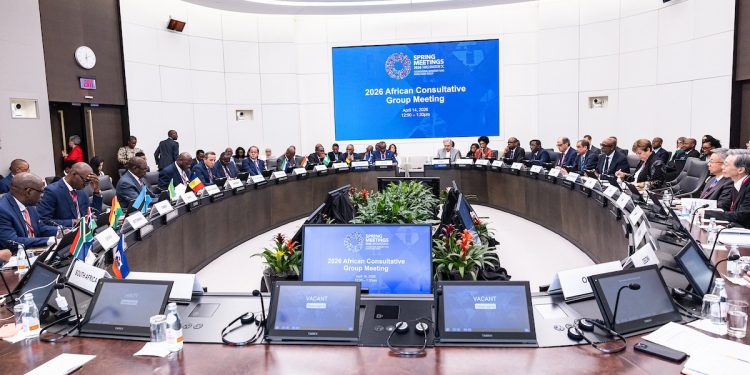
This concern was at the heart of deliberations during the African Consultative Group meeting, held alongside the IMF-World Bank Spring Meetings. The session was convened by Seedy Keita, Chairman of the African Caucus and Minister of Finance and Economic Affairs of The Gambia, together with Kristalina Georgieva, Managing Director of the International Monetary Fund.
Finance ministers and central bank governors used the forum to underscore how escalating debt service costs are straining already limited government budgets.
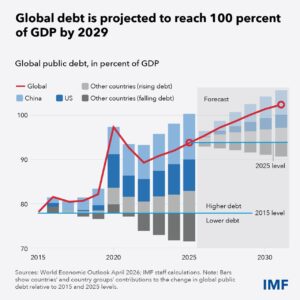
The talks come at a time when many African economies face steep borrowing costs and shrinking access to international capital markets, forcing governments into difficult choices between repaying debt and financing essential development priorities.
External shocks—including geopolitical tensions and supply chain disruptions—are compounding these pressures, heightening macroeconomic risks and raising the threat of inflation and food insecurity.
In response, policymakers are calling for more rigorous and transparent debt sustainability assessments to guide borrowing decisions and mitigate risks. Ongoing reforms to the joint IMF-World Bank debt sustainability framework are expected to play a pivotal role in strengthening how countries measure and manage debt exposure.
There is also renewed focus on reinforcing public financial management systems, boosting spending efficiency, and mobilizing domestic revenue to reduce dependence on costly external borrowing.
Beyond debt management, African leaders are pressing for more tailored policy support from the IMF, particularly in navigating external shocks and addressing cross-border spillovers that weigh on domestic economies.
With fiscal buffers depleted and global conditions still uncertain, the discussions signal a shift toward rebuilding policy credibility and safeguarding economic stability across the continent.
Leave a Reply