


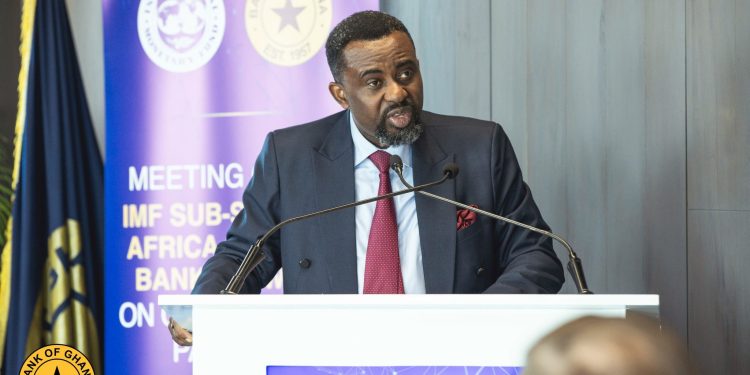
The Ghana National Chamber of Commerce and Industry (GNCCI) is appealing to the Bank of Ghana (BoG) to lower the Monetary Policy Rate by a minimum of 300 basis points (3%) in order to stimulate economic activity.
The Chamber points to improving macroeconomic indicators and the necessity of loosening the current restrictive monetary stance. In a statement issued on Monday, July 28, 2025, GNCCI contended that the existing policy rate of 28%, which has remained static since March 2025, continues to hinder access to affordable financing for enterprises and suppress private sector expansion.
“Local businesses have faced persistently steep borrowing costs, consistently above 25 percent since September 2022,” GNCCI stated. “This has limited investment, reduced productivity, and slowed overall business growth.”
To support its appeal, the Chamber presented data reflecting a more favourable economic climate:
• Headline inflation has declined from 23.8% in December 2024 to 13.7% in June 2025.
• The Cedi appreciated by about 42% in the first half of 2025.
• Growth in international trade and current account surpluses.
• Strengthened gross international reserves.
• Ongoing fiscal consolidation, which has helped curb excessive government spending and support monetary stability.
GNCCI also pointed to a more optimistic global economic outlook, referencing the IMF’s projection of 3.3% global growth in 2025 and an anticipated decline in worldwide inflation to 4.2%. The Chamber emphasized that easing global financial conditions suggest diminishing external inflationary pressures.
While recognizing potential challenges such as international policy unpredictability and possible fiscal lapses linked to the 2024 election period, GNCCI maintains that a reduction in the policy rate would “lower the cost of domestic commercial financing, invigorate real sector output, and advance Ghana’s export-driven growth strategy.”
The Chamber further stressed that any adjustment in monetary policy should consider the delayed effects of policy transmission and adopt a forward-looking approach to sustaining the recovery momentum.
GNCCI reiterated its dedication to collaborating with both public and private sector partners to build a robust and inclusive business ecosystem that supports long-term economic development.
Leave a Reply