


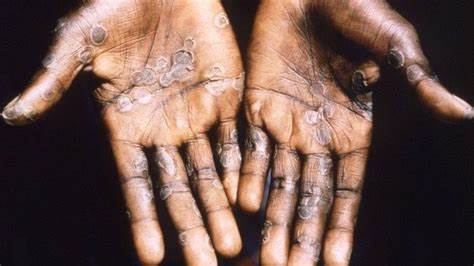
The Ghana Health Service (GHS) has confirmed six new cases of Mpox, bringing the country’s total infections to 91.
Health officials report that two of the newly infected patients are currently hospitalized and under close medical supervision.
The recent uptick in Mpox cases has sparked growing public anxiety. In response, the GHS has assured citizens that the situation is under control and that contact tracing efforts are actively underway to identify individuals who may have been exposed.
In a public health advisory, the GHS emphasized the importance of personal hygiene and early detection to curb the spread of the virus. “We encourage the public to avoid close contact with anyone showing symptoms of Mpox, especially those with unexplained rashes, and to report any symptoms to the nearest health facility immediately,”
Preventive Measures and Government Response
Authorities have stressed the importance of frequent handwashing, proper sanitation, and early detection as key preventive measures. The GHS continues to monitor the situation closely, with surveillance and community education campaigns aimed at protecting the population and preventing further infections.
The government has also urged healthcare facilities to remain vigilant and ensure timely reporting of suspected cases. Public health experts warn that while Mpox is not as widespread as other infectious diseases, early intervention is crucial in preventing larger outbreaks.
What is Mpox?
Mpox, formerly known as monkeypox, is a viral disease that spreads through close contact with infected individuals or contaminated surfaces. Symptoms include fever, rash, headache, muscle pain, and swollen lymph nodes. The virus has been reported in several regions across Ghana, prompting health officials to increase surveillance and testing efforts.
Public Cooperation is Key
The GHS has urged the public to remain calm while following safety guidelines. Officials emphasize that community cooperation is essential in containing the virus. Citizens are encouraged to report suspected cases and adhere to hygiene protocols to minimize the risk of transmission.
As Ghana works to control the spread of Mpox, health authorities remain committed to ensuring public safety through education, prevention, and swift medical intervention.
Leave a Reply