
The National Board for Small Scale Industries (NBSSI) has facilitated the creation of some 21,892 new jobs in the last three and half years. It has also facilitated access to GH38.53 million as credit facility between January 2017 and March 2020 to 14,738 businesses out of which about 68.3 per cent are women owned and led businesses. It was made possible through interventions such as Coronavirus Alleviation Programme Business Support Scheme (CAP BuSS), COVID-19 Recovery and Resilience Programme for MSMEs, WIDU Project and Young Africa Works Project. Nation Building Updates The Executive Director of the NBSSI, Mrs Kosi Yankey-Ayeh, made this...


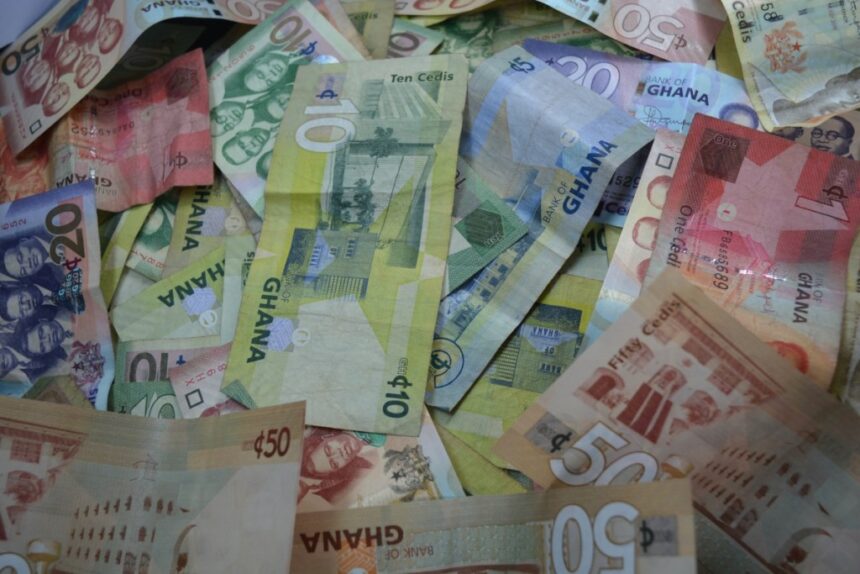
Cedi traders risk imprisonment – Bank of Ghana
The Bank of Ghana (BoG) has warned businesses and the public to desist from selling the country’s currency, the cedi, and pesewa coins or face prosecution. It said the act of giving a high value of the currency to people for lower values to meet their needs was illegal and punishable by summary conviction to a term of imprisonment not exceeding 10 years or a fine not exceeding 2,000 penalty units or both. In a public notice issued to the public yesterday, the central bank said any trading of the currency, regardless of the purpose, was criminal and, therefore, prohibited....