
Gunmen abducted 19 Muslim worshippers after attacking a mosque in the restive northwest of Nigeria, police said Sunday. The attackers stormed the mosque in Maigamji village, in Katsina state, during evening prayers Saturday and carried out the kidnappings after shooting and wounding the imam and another worshipper, said local police spokesman Gambo Isah. Northwest and central Nigeria have been terrorized by criminal gangs locally known as bandits, who raid villages to steal cattle, kidnap for ransom and burn homes after looting supplies. Hostages are usually released after a ransom is paid to the gangs, which take refuge in the vast...


Carpenter Kills Mother, Grand Father December 4, 2022
Alex Tenge, a 22-year old carpentry trainee Killed his stepfather and grandmother after consuming sobolo combined with indian hemps, in the eastern town of koforidua. The entire affair took place when there was a festive occasion at Koforidua Okurasi, and many people had traveled there from various parts of Ghana. Alex was overjoyed and drank a variety of beverages, including sobolo. Following the drink, it is reported that Alex tried to fondle a particular woman but she refused and yelled for help, and it was the woman’s shouts that drew attention to Alex. Later that night, blood stains were discovered...
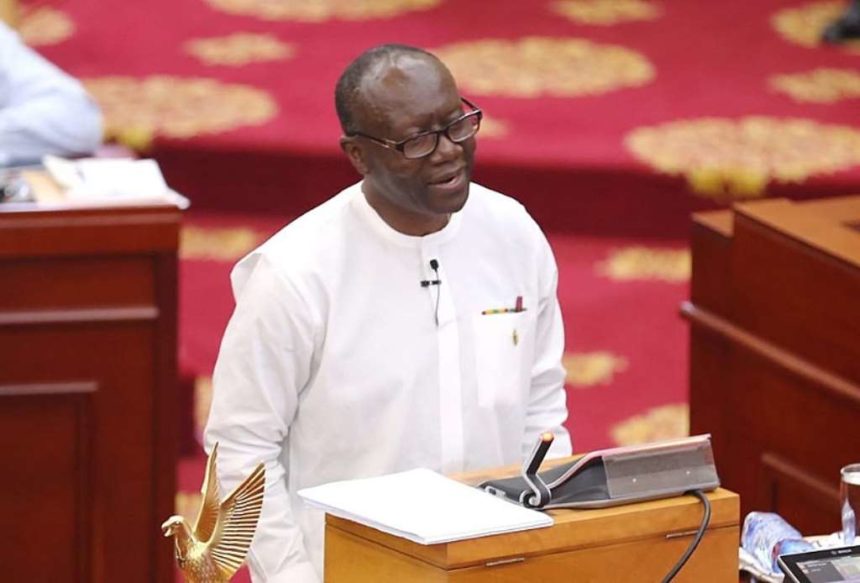
These are difficult times – Ofori-Atta
Minister of Finance Kenneth Nana Yaw Ofori-Atta has conceded the difficulties plaguing the country’s economy and he is seeking the “understanding and support” of all Ghanaians to restore macroeconomic stability. In a nationwide broadcast on Sunday, December 4, Mr Ofori-Atta assured that measures are being taken to restore the economy “in the shortest possible time”. “These are difficult times and we count on the support of all Ghanaians and the investor community to make the exercise successful,” he said. The exercise he talked about was the Domestic Debt Exchange Programme announced in the 2023 budget statement delivered in Parliament on...

Debt servicing consumes 70% of tax revenue; almost of all govt’s funds – Ofori-Atta
The Finance Minister Ken Ofori-Atta has justified the introduction of the debt exchange programme as announced in the 2023 budget statement. He said the programme has become necessary because of the enormous challenges with debt servicing. Launching the programme in Accra on Monday December 5, he revealed that debt servicing is consuming “almost of government’s revenue and also 70 per cent of tax revenue.” “Which is why we are announcing this to restore our capacity to service debt,” he stressed. Under the debt exchange programme, he said, ” domestic bond holders will be asked to exchange their instruments for new ones.” He...

Biden prepared to meet Putin to end Russia-Ukraine war
US President Joe Biden has said he would be ready to meet Russia’s President Vladimir Putin “if in fact there is an interest in him deciding that he’s looking for a way to end the war”. Addressing reporters alongside French President Emmanuel Macron, he stressed Mr Putin had not yet done that. The two men stressed they would continue to stand against Russia’s war. The French leader made clear they would never urge Ukraine to make a compromise it considered unacceptable. They were speaking as a senior Ukrainian official said that between 10,000 and 13,000 of its soldiers had been...

‘Bawumia has become an economic Harry Maguire’ – Adongo
The Member of Parliament for the Bolgatanga Central constituency, Isaac Adongo, has in a bizarre manner mocked the Vice President, Dr. Mahamudu Bawumia, comparing him to popular Manchester United defender, Harry Maguire who is known for his gaffes. Addressing Members of Parliament, Mr Adongo began by praising the Black Stars for their victory over South Korea earlier in the week before going on an extraordinary rant, using Maguire in his analogy. He said Dr Bawumia enjoyed scoring – political – own goals in much the same manner as the Manchester and England defender. “If you are a fan of football…there...

Farmers’ Day: Govt appreciates the need to harness full potential of agriculture – Agric Minister
The Akufo-Addo administration is committed to transforming the agric sector of the economy, the Minister of Food and Agriculture, Dr Owusu Afriyie Akoto, has said. Speaking ahead of the National Framers Day event that will take place today Friday December 2, the Minister said the government is determined to harness the full potential of Ghana’s agricultural sector. The 2022 national farmers’ day is on the theme “Accelerating agricultural development through value addition.” The Minister said “The theme also highlights government’s recognition and commitment to the sustainable development and transformation of Ghana agriculture as well as it signifies government’s appreciation for the need...

Pregnant women badly affected as strike by nurses at Manhyia Hospital bite hard
The Ghana Registered Nurses and Midwives Association has announced their strike beginning today Friday December 2. The Regional Chairman Jones Afriyie Antoh told tv3 after a crunch meeting on Thursday December 1. The Association threatened to extend it to all health facilities in the Ashanti by Tuesday, if the embattled National Service Scheme (NSS) regional director still remains on suspension instead of being sacked, TV3’s William Evans-Nkum reported. This comes despite the suspended Ashanti Region Director of the NSS, Alex Opoku-Mensah, scheduled to face a committee set up to investigate allegations of assault against him. The committee was constituted by the management...
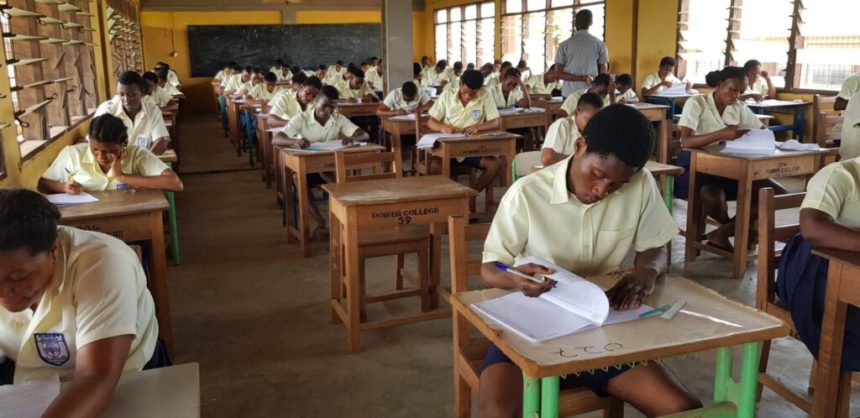
WAEC releases provisional results for 2022 WASSCE school candidates
The West African Examinations Council (WAEC) has released the provisional results of candidates who sat for the WASSCE for School Candidates, 2022. In a statement issued by WAEC on Thursday morning, it says it has posted the results online and candidates who so desire may access their results at the Council’s website. A total number of 422,883 candidates made up of 203,753 males and 219,130 females from 977 schools entered for the examination. This figure is 5.25% lower than the 2021 entry figure of 446,352. A total number of 2,818 that is 0.67 % of the candidates who registered were...

Wenchi High Court dismisses case against Techiman South MP
The Wenchi High Court has affirmed the declaration of the New Patriotic Party (NPP) Member of Parliament (MP) for Techiman South, Martin Adjei-Mensah Korsah as the winner of the 2020 parliamentary election. The court has also fined the petitioners GH¢ 100,000.00 to be shared between the member of parliament of the constituency and the Electoral Commission (EC). The election petition was filed by the opposition NDC in respect of the 2020 parliamentary elections in the Techiman South Constituency which resulted in the death of eight people in the 2020 General Elections. The NDC had said that it won the Techiman...