



The Ministry of Health has reaffirmed its commitment to building a resilient, research-driven healthcare system, using the Annual Conference on Pharmacoepidemiology in Africa as a platform to drive reforms and strengthen partnerships against the rising burden of chronic diseases.
The three-day conference, organised by the International Society for Pharmacoepidemiology (ISPE) from April 20–22, has brought together global experts, policymakers, and researchers to address Africa’s evolving health challenges.
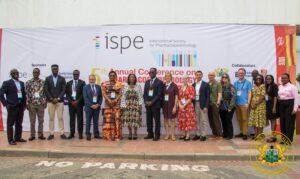
Delivering the keynote address, Deputy Minister for Health, Prof. Dr Grace Ayensu-Danquah, highlighted the continent’s shift from infectious diseases to a growing prevalence of Non-Communicable Diseases (NCDs). She stressed the need for evidence-based responses aligned with World Health Organization frameworks, including SDG Target 3.4 and the WHO PEN-Plus strategy.
Prof. Ayensu-Danquah outlined key government reforms, including a 66 percent increase in National Health Insurance Scheme (NHIS) funding to GH¢9.8 billion in 2025 and the introduction of the Ghana Medical Trust Fund (MahamaCares) to support treatment of high-cost chronic conditions. These measures, she noted, are designed to expand access, reduce out-of-pocket costs, and strengthen long-term care.
She further underscored the critical role of research, pharmacovigilance, and health data systems in shaping effective policy, while emphasizing the importance of public–private partnerships in driving innovation and equitable healthcare delivery.
ISPE President, Ursula Kirchmayer, described the conference as a vital platform for scientific exchange and collaboration. She highlighted the need to invest in young researchers to sustain progress in pharmacoepidemiology across Africa.
The conference is expected to strengthen partnerships and accelerate research and policy development, positioning Ghana and the wider continent to better respond to the challenges of chronic disease management.
Leave a Reply