


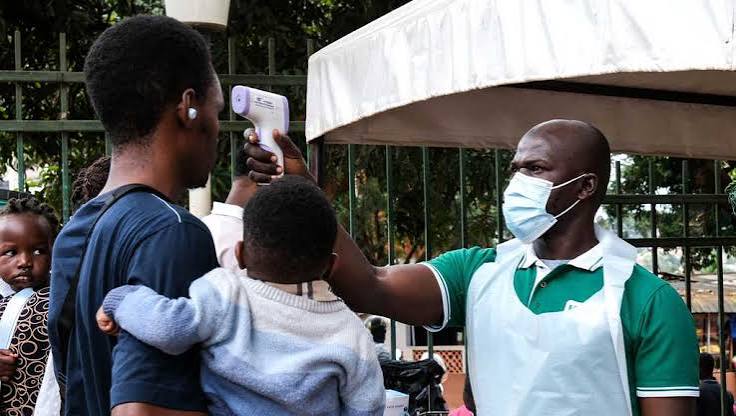
The caution follows guidance from the World Health Organization (WHO), which states that Ebola can be transmitted to humans through contact with infected wild animals, including fruit bats, monkeys, chimpanzees, gorillas, forest antelopes and porcupines.
Members of the public have been advised never to touch, move, sell or distribute animals that appear sick or are found dead under unexplained circumstances.
Health and veterinary experts warn that handling infected animals can increase the risk of transmission, making early detection and reporting critical to preventing potential outbreaks.
Citizens are therefore encouraged to immediately notify the nearest Veterinary Office of any sudden or unexplained animal deaths for investigation and appropriate action.
According to the WHO, the Ebola virus can enter human populations through close contact with the blood, organs, secretions or other bodily fluids of infected animals found ill or dead.
Authorities say public vigilance remains one of the most effective measures for preventing the introduction and spread of the disease.
They emphasized that early reporting and responsible action can help safeguard individuals, communities and the nation as a whole from potential public health threats.
The awareness campaign forms part of ongoing efforts to strengthen disease surveillance and promote community participation in preventing infectious disease outbreaks.