


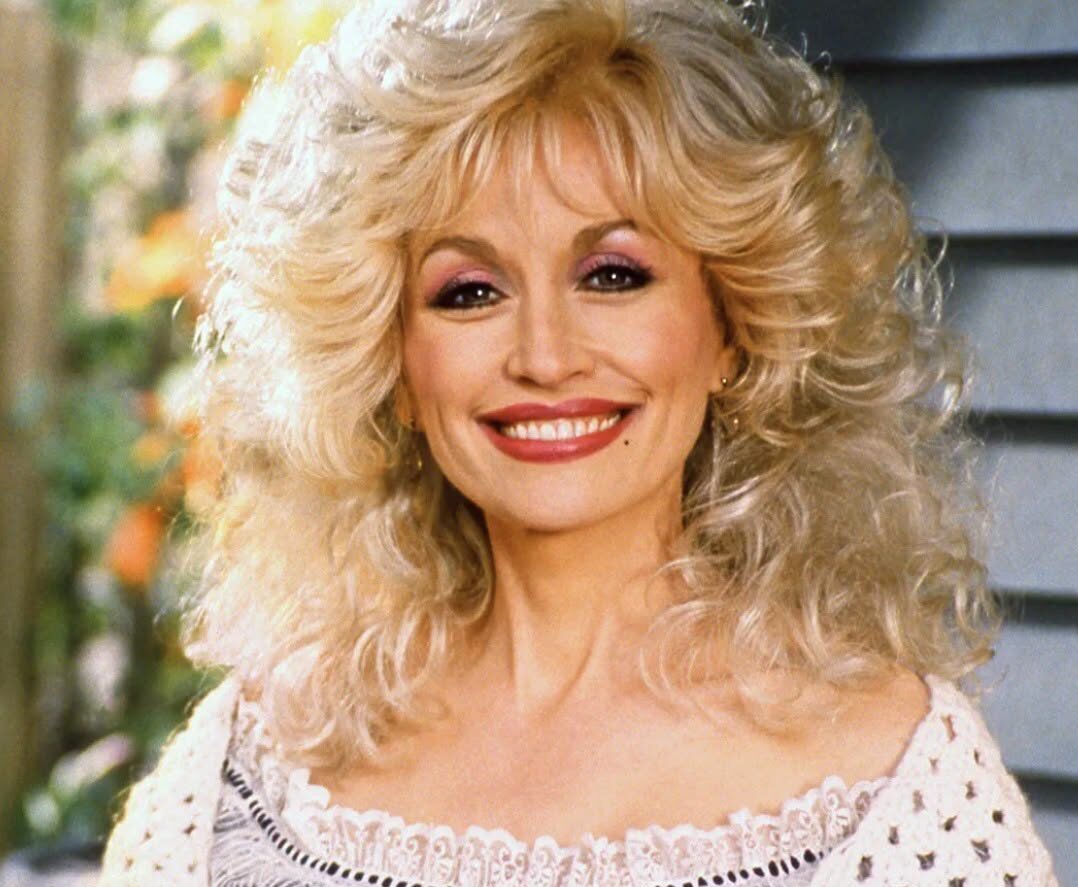
Dolly Parton was barely six years old when she composed her first tune, “Little Tiny Tasseltop,” inspired by her corncob doll with silky hair. Her mother treasured the handwritten lyrics in a shoebox.
“I loved that little doll,” Parton recalled decades later. “I expressed myself and my feelings through writing — I’m sure what I was thinking was, ‘Well, Tasseltop has to have a song about her.’”
From that moment, she never stopped creating music. The indomitable country singer, songwriter, and actress — whose charm, heartfelt storytelling, and sharp business instincts captivated audiences for nearly sixty years — died peacefully in Nashville on Tuesday at the age of 80, her family announced.
No cause of death was given, though her publicist confirmed she passed away quietly. People magazine reported she had endured a “brief battle with cancer,” citing her representatives. Only days earlier, Parton told the magazine she was facing health challenges but intended to continue working.
“By her example, we believed anything was possible,” her nephew Bryan Seaver said in a video tribute. “She never saw a door she couldn’t open, and the doors she opened made and changed history.”
With timeless hits such as “Coat of Many Colors,” “Jolene,” and “I Will Always Love You,” Parton became one of the world’s best‑selling female artists, surpassing 100 million records sold. She earned 11 Grammy Awards, including a Lifetime Achievement honor.
Her wholesome persona, towering blond hairstyles, dazzling costumes, and infectious joy on stage endeared her to fans across generations and helped carry country music to international audiences.
Beyond music, she hosted television shows, starred in films, and built Dollywood — a celebrated theme park in Tennessee — while continuing to champion literacy, scholarships, and philanthropy. In 2020, she donated $1 million to Vanderbilt University’s vaccine research, supporting Moderna’s COVID‑19 development.
Born January 19, 1946, in Pittman Center, Tennessee, Parton grew up in a one‑room cabin as one of 12 children. Her mother’s haunting folk songs shaped her early love for music. By age 11 she was singing on local radio, and at 13 she appeared on the Grand Ole Opry.
Her career flourished in Nashville, where she partnered with Porter Wagoner before launching her solo journey. She married Carl Dean in 1966, a union that lasted decades, with Dean inspiring some of her greatest songs, including “Jolene.”
Parton’s image — flamboyant yet self‑aware — became iconic. She often joked about rumors surrounding her figure, once telling People magazine: “Well, they are heavy, but they haven’t crippled me yet.”
Her songwriting remained her deepest passion. “I love to write poetic songs and sing flowery words,” she explained in Songteller. “I like to make you see something visually, so I want to paint a picture.”
Her legacy spanned music, film, and philanthropy, but she defined herself most by her craft. “I feel like I’m closest to God when I write,” she said. “At the end of the day, I hope that I will be remembered as a good songwriter. The songs are my legacy.”
Leave a Reply