


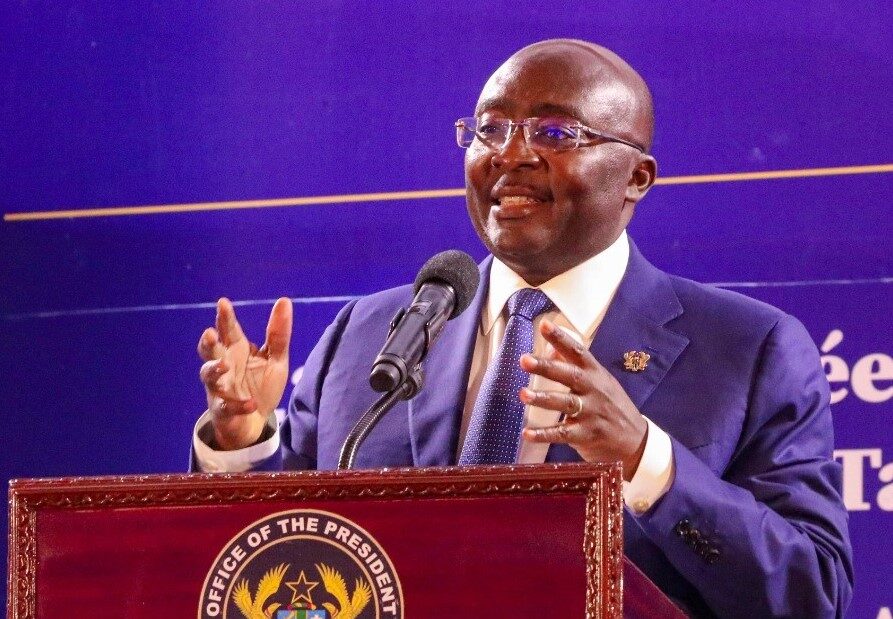
Former Vice-President and New Patriotic Party (NPP) 2028 presidential flagbearer, Dr. Mahamudu Bawumia, has appealed to President John Dramani Mahama not to assent to the recently passed Public Tribunals Bill, 2026, urging instead for broad national consultations before any final decision is taken.
In a statement issued on Sunday, Dr. Bawumia described the legislation as one with “far-reaching implications for Ghana’s justice delivery system, judicial independence and democratic governance,” stressing that such reforms should rest on consensus rather than a parliamentary majority.
He noted that Parliament had waived the mandatory one-day interval between the consideration and third reading stages, allowing the Bill to be passed in a single day despite objections from the Minority and organised labour. The Trades Union Congress (TUC), he recalled, had warned that the Bill could become “a potent tool for weaponising justice delivery.”
Dr. Bawumia further pointed to the Constitution Review Committee’s report, submitted last December but yet to be published, which recommended removing Regional Tribunals from the Constitution. He argued that Parliament’s move to legislate in the opposite direction undermined due process and public trust.
Highlighting historical concerns, he cautioned that panels including non-lawyers sitting in judgment over criminal matters could erode confidence in the judiciary. He insisted that the solution to congested courts lay in strengthening existing institutions through more judges, courtrooms, and digitisation, not in creating parallel systems.
“Mr President — Do not sign this Bill. Pause, and let the nation talk,” Dr. Bawumia urged.
He called on President Mahama to withhold assent and instead convene national engagement involving the Ghana Bar Association, organised labour, civil society, political parties, and the Judiciary itself.
Dr. Bawumia concluded by stressing that justice belongs to the Ghanaian people, not any government or party, and urged the President to use his constitutional powers to invite broader dialogue through the Council of State.