


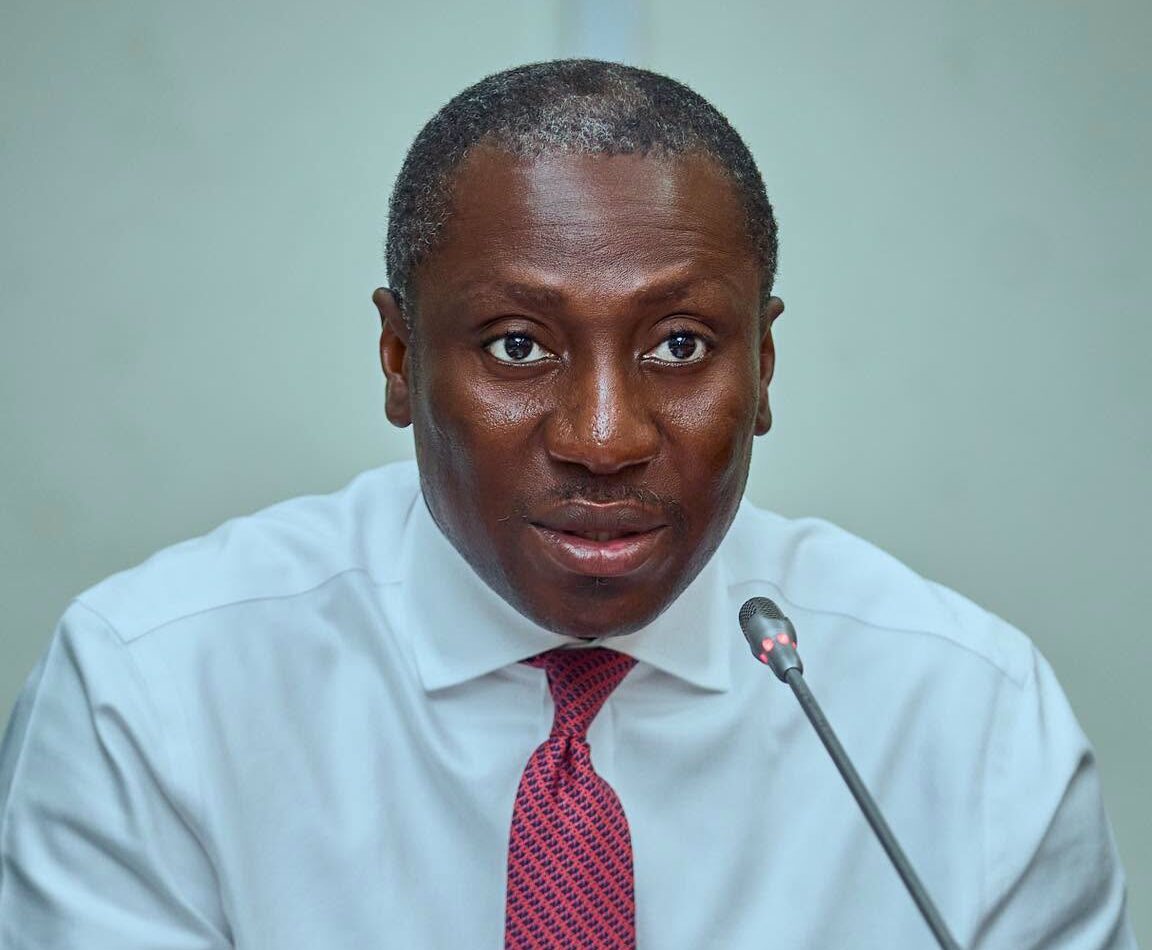
Minority Leader and Member of Parliament for Effutu, Alexander Kwamena Afenyo-Markin, has criticised the government’s decision to remove the collective portrait of the Big Six from Ghana’s newly unveiled banknotes, describing the move as a troubling reinterpretation of the country’s independence history.
In a statement, Mr. Afenyo-Markin argued that the Big Six occupy a central place in Ghana’s nationalist struggle and should continue to be recognised on the nation’s currency alongside other prominent historical figures.
According to him, the significance of the Big Six predates contemporary political parties and stems from their leadership role in the United Gold Coast Convention (UGCC) and their detention following the 1948 disturbances, events which helped accelerate constitutional reforms and the country’s path to independence.
He noted that Ghana’s first President, Osagyefo Dr. Kwame Nkrumah, acknowledged the group in his autobiography and maintained that recognition of the Big Six reflects historical realities rather than partisan considerations.
The Minority Leader recalled that the collective image of the Big Six first appeared on the redenominated banknotes introduced in 2007 during Ghana’s Golden Jubilee celebrations under the administration of former President John Agyekum Kufuor and then Bank of Ghana Governor, Dr. Paul Acquah.
He further pointed out that while the GH¢2 note introduced during the Mills administration featured only Dr. Nkrumah, other denominations retained the Big Six, demonstrating that individual national figures could be honoured without excluding other contributors to the independence struggle.
Mr. Afenyo-Markin welcomed the decision to recognise distinguished Ghanaians such as Theodosia Salome Okoh, Ephraim Amu and former United Nations Secretary-General Kofi Annan on the new currency series. However, he questioned why expanding national recognition should require the removal of historical figures already featured on the notes.
The Effutu legislator also called for broader recognition of other notable personalities whose contributions shaped the nation, including Chief Simon Diedong Dombo and Otumfuo Sir Osei Agyeman Prempeh II.
On concerns surrounding the portrait of Theodosia Okoh on the new banknotes, he urged the Bank of Ghana to address claims by members of her family who have questioned the accuracy of the image used. He suggested that the central bank publish the source photographs used in producing the portrait to ensure transparency and public confidence.
Mr. Afenyo-Markin further argued that national recognition should transcend political differences, citing the contribution of Dr. J. B. Danquah to the campaign for the adoption of the name “Ghana” for the then Gold Coast.
He urged President John Dramani Mahama to ensure that national symbols reflect the diversity of Ghana’s historical experience and honour the contributions of all patriots who played a role in the country’s development.
“Our currency belongs to every Ghanaian. It should reflect the breadth of our history and the generosity of our national spirit,” he stated.
He concluded that while governments may alter the design of national symbols, the historical legacy of the Big Six remains firmly embedded in Ghana’s history and cannot be erased.