


Ghana has hailed as groundbreaking the latest report of the United Nations Committee on the Elimination of Racial Discrimination, which concludes unequivocally that perpetrators of the transatlantic enslavement must provide reparatory justice.
Binding Legal Duty
The Committee’s authoritative guidance affirms that States are bound under the 1965 Convention on the Elimination of Racial Discrimination to deliver reparatory justice for the trafficking of enslaved Africans and racialised chattel slavery. The long‑standing defense that these crimes were “lawful at the time” has been rejected. The Committee itself described this as a paradigm shift.
Moral Authority Meets Legal Foundation
Ghana underscored that this report provides the legal foundation beneath the moral authority of Resolution A/RES/80/250, adopted earlier this year. Recognition is now obligation: apology, restitution, compensation, and guarantees of non‑repetition are no longer matters of goodwill but of duty.
Mahama’s Continental Leadership
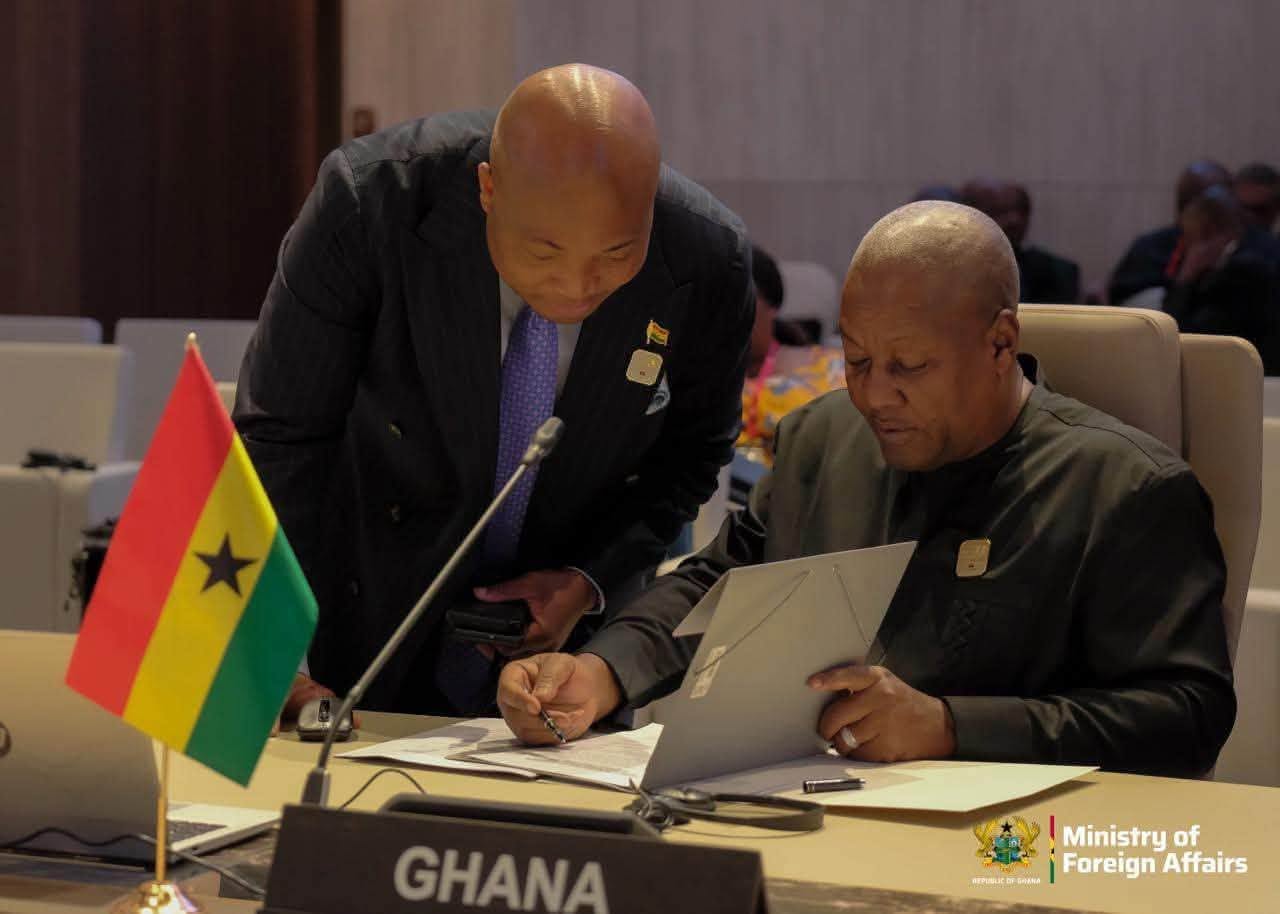
The development comes as President John Dramani Mahama, African Union Champion for Reparations, presented a comprehensive report at the AU Extraordinary Meeting in Angola on Ghana’s landmark UN resolution declaring the transatlantic enslavement the gravest crime against humanity.
Following the Next Steps Summit in Accra, President Mahama is set to host a consequential side event on restitution in New York during the 81st session of the UN General Assembly next month.
“A Crime Does Not Rot”
“It was in this spirit that Ghana carried the cause of the enslaved to the United Nations. Today that conviction stands affirmed in international law,” officials stated.
Diaspora Unity
Under Mahama’s leadership, Ghana emphasized that the reparations cause advances in unity with the African Union, CARICOM, and the diaspora. “The blood that binds us is stronger than the oceans that appeared to separate us,” the statement declared.
This latest UN report marks a decisive step in transforming historical recognition into enforceable international obligation, positioning Ghana at the forefront of the global reparatory justice movement.