


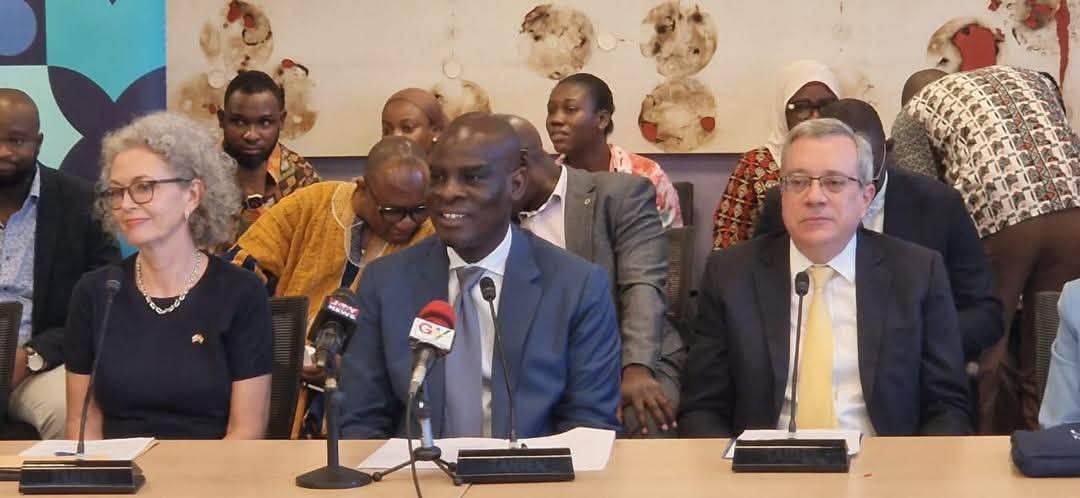
The Minister for Education, Hon. Haruna Iddrisu, has underscored the need for greater emphasis on foundational learning, stressing that increased access to education must translate into improved literacy, numeracy and overall learning outcomes.
Speaking at the Ghana and Regional Foundation Learning, Evidence and Implementation Support Day in Accra, Hon. Iddrisu said education policies and investments must be guided by evidence and tailored to what works for learners. He cited the Ghana Accountability for Learning Outcomes Project (GALOP), which identified 10,579 low‑performing basic schools for targeted support, as an example of how data can inform resource allocation.
The Minister also highlighted government’s ongoing efforts to integrate digital and technical skills into the curriculum, including coding, robotics, electronics and artificial intelligence, to prepare learners for the demands of the modern economy.
World Bank Country Director Robert Taliercio O’Brien emphasized that foundational skills are critical to Ghana’s jobs agenda, noting that access to education must be matched by improved learning outcomes.
Representing the UK Foreign, Commonwealth and Development Office (FCDO), Terri Sarch described foundational literacy and numeracy as the gateway to future learning and employment.
Karen Shormeh Tei of the Jacobs Foundation and Skills Funders added that partnerships and initiatives such as the Ghana Education Evidence and Data Lab are vital to strengthening evidence‑based education policy.
The event brought together government, development partners and education stakeholders to reaffirm the importance of evidence‑driven strategies in improving learning outcomes and shaping Ghana’s education reforms.
Leave a Reply