


The Minority in Parliament has stated that the proposed upward adjustment in utility tariffs, expected to take effect on July 1, 2026, will undermine the government’s flagship 24-hour economy agenda.
According to the caucus, the 3.49 percent increase in electricity tariffs and 0.85 percent increase in water tariffs will further burden industries and erode the purchasing power of consumers.
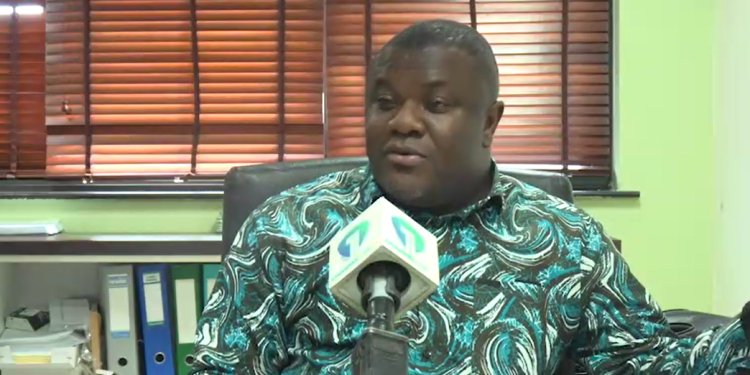
Addressing journalists on Thursday June 25, the Deputy Ranking Member on the Energy Committee, Collins Adomako-Mensah, said the adjustments will worsen the cost of living and weaken the competitiveness of businesses.
He cautioned that the increases could have significant implications for manufacturers, processors, and small enterprises across the country.
“Ghana’s manufacturers, processors, and small enterprises operate in one of the most tariff-burdened utility environments in West Africa. Every upward adjustment in electricity costs erodes their competitiveness, raises the cost of production, and ultimately pushes prices higher for the very consumer the NDC claims to be protecting,” he said.
He further argued that the rising cost of electricity could derail the implementation of the 24-hour economy policy, particularly in relation to job creation and industrial expansion.
“The 24-hour economy cannot run on a 26.82% more expensive electricity. Jobs cannot be created when the cost of powering a factory keeps climbing every quarter,” he stated.
The Minority also accused the Mahama administration of failing to live up to its promises, citing what it described as a cumulative 26.82 percent increase in electricity tariffs since it assumed office.
“Since January 2025, electricity tariffs in Ghana have risen by a staggering 26.82 percent. Over the same period, the government awarded workers a meagre 10 percent wage increase—less than a third of the tariff burden placed on those very same workers,” he added.
Source: Citinewsroom