


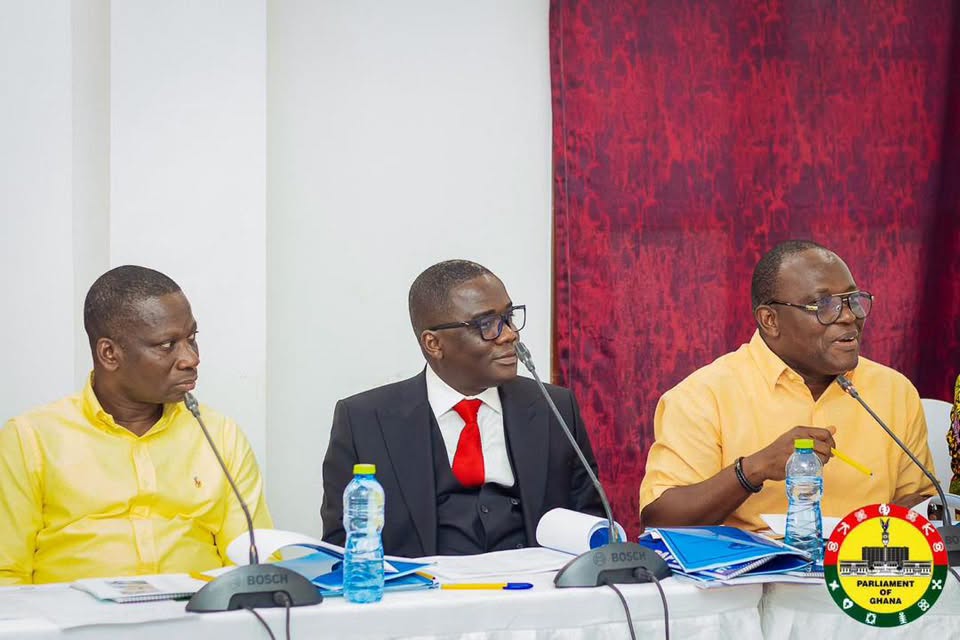
The Parliamentary Select Committee on Sanitation and Water Resources has held a public hearing to assess how Metropolitan, Municipal and District Assemblies (MMDAs) in the Central and Western Regions have utilized funds allocated from the District Assemblies Common Fund (DACF) for sanitation and water projects.
The hearing focused on the 20 per cent DACF allocation earmarked for sanitation and water interventions, comprising 10 per cent for sanitation projects and another 10 per cent for the drilling and provision of mechanized boreholes.
The exercise provided an opportunity for the committee to review funds received by the assemblies, scrutinize expenditures, and examine projects undertaken with the allocations.
Members of the committee also assessed the progress and impact of sanitation initiatives and mechanized borehole projects implemented across the beneficiary districts, as well as challenges that may have affected access to and utilization of the funds.
Officials from the various assemblies presented reports on the use of the allocations, detailing completed and ongoing projects aimed at improving environmental sanitation and increasing access to potable water.
Following the presentations, committee members engaged in discussions and debated aspects of the reports submitted by the MMDAs to ensure accountability and value for money in the implementation of the projects.
The public hearing further sought to determine the extent to which the dedicated DACF allocations had contributed to improving sanitation conditions and expanding access to safe drinking water in communities across the two regions.
The committee is expected to use findings from the exercise to strengthen oversight and make recommendations aimed at enhancing the effectiveness of future sanitation and water interventions funded through the DACF.
The initiative forms part of Parliament’s broader efforts to ensure transparency and accountability in the use of public funds while improving the delivery of essential services to communities.