


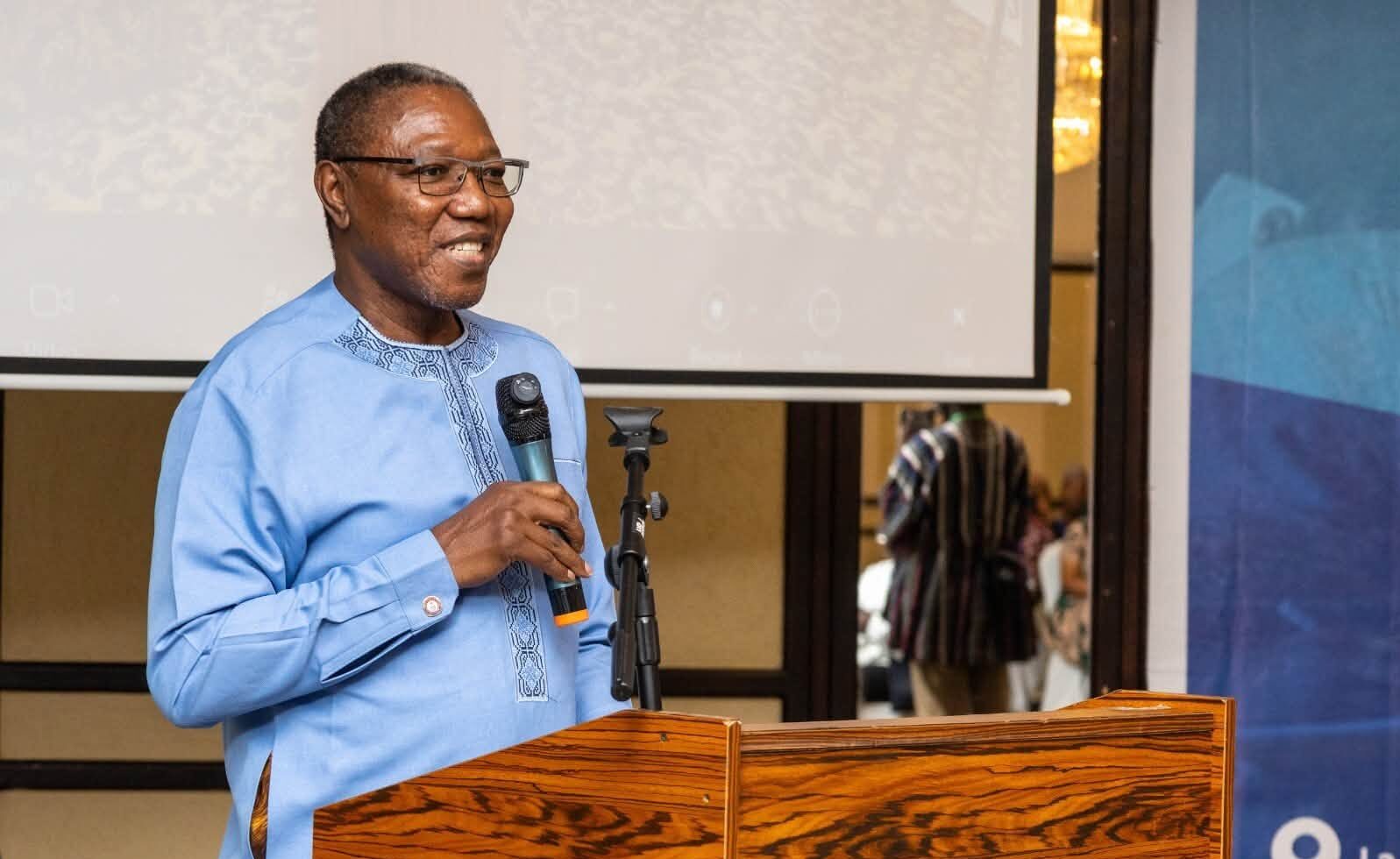
The Deputy Minister for Education, Dr Clement Apaak, has called on West African countries to strengthen and invest in resilient education systems before emergencies occur, warning that conflicts, climate-related disasters, health crises and economic shocks continue to threaten learning outcomes across the region.
Speaking at the Second High-Level Conference on Scaling Education Initiatives in Emergencies in Accra, Dr Apaak stressed that proactive planning was essential to safeguarding access to education during times of crisis.
He said governments must prioritize risk analysis, contingency planning and the development of safe school infrastructure to ensure continuity in learning when emergencies arise.
According to the Deputy Minister, investing in preparedness is more cost-effective than rebuilding education systems after they have been disrupted by crises.
Dr Apaak also underscored the need to strengthen capacity at regional and district levels, noting that local education authorities play a critical role in responding rapidly and effectively to emergencies.
He called for support systems based on reliable data, clearly defined mandates and robust planning tools to help education institutions maintain learning and minimize disruptions.
The Deputy Minister further appealed to governments and development partners to provide sustained and predictable funding for interventions that have proven effective in supporting vulnerable learners.
These interventions, he said, include Accelerated Education Programmes, community-based learning initiatives and low-technology remote learning solutions.
Dr Apaak identified equity, increased domestic financing and stronger regional collaboration as key priorities for improving education outcomes, particularly for vulnerable and out-of-school children.
He noted that the ACCELERATE+ conference was focused on leveraging evidence and research to strengthen education responses during emergencies and ensure that no child is left behind.
The conference brought together policymakers, development partners and education stakeholders to explore strategies for scaling education interventions and building resilient learning systems capable of withstanding future shocks.
Leave a Reply