


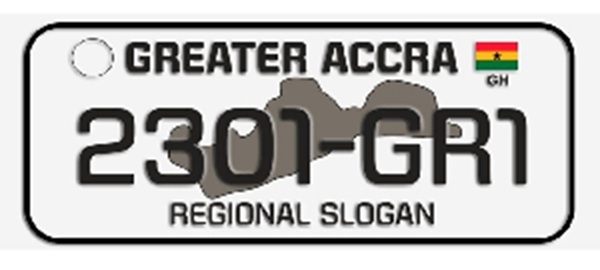
The Vehicle Embossment Association of Ghana (VEMAG) has officially appealed to the Ministry of Transport to halt the Driver and Vehicle Licensing Authority’s (DVLA) planned rollout of digital vehicle number plates, scheduled to begin in January 2026.
In a statement signed by its Secretary, Victor Twum Koranteng, the association accused the DVLA of excluding critical local stakeholders and pursuing a poorly coordinated programme that threatens the livelihoods of more than 3,000 workers in the plate embossment sector.
VEMAG underscored its long-standing role as the legally mandated body for vehicle plate embossment in Ghana, highlighting its history of pre-financing production for the DVLA and fulfilling tax obligations.
The association argued that the digitalisation initiative appears to prioritise foreign contractors at the expense of established Ghanaian businesses. It further criticised the DVLA’s Chief Executive for allegedly embarking on overseas trips and negotiations with foreign firms while failing to adequately consult local operators.
Rejecting claims that private embossers are not used internationally, VEMAG cited practices in the United Kingdom, the United States, and Nigeria. The group also referenced Ghana’s Road Traffic Act, which requires collaboration with private embossment companies.
The association has called for a six-month suspension of the digital plate programme to allow for proper planning, training, and stakeholder engagement, warning that a rushed implementation could lead to nationwide confusion.
Additionally, VEMAG urged the Ministry of Transport to probe the DVLA CEO’s assertions about illegal operators in the industry, stressing that fewer than 50 embossment firms are officially recognised nationwide.
While expressing support for technological advancement, VEMAG maintained that the transition must be gradual and inclusive to protect jobs and ensure a smooth national rollout.
Leave a Reply