


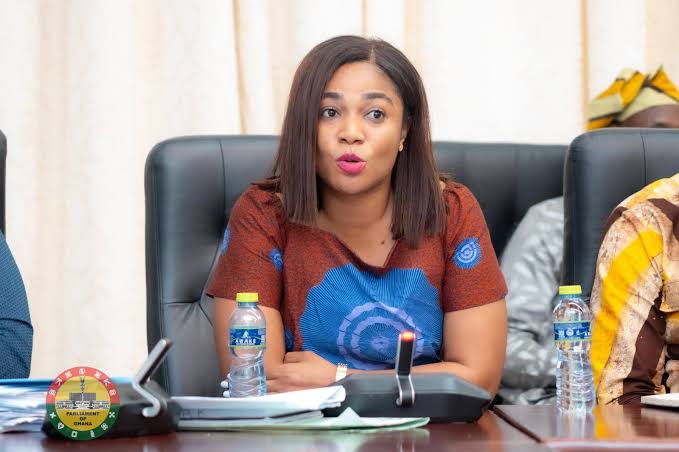
The Minority Caucus in Parliament has condemned the new public service pay agreement for 2027 and 2028, calling the increase “an insult” to workers at a time of mounting utility tariffs and household costs.
In a press statement dated October 30, the Minority Caucus on Employment, Labour Relations and Pensions said it received the details of the agreement “with utter shock and dismay.”
The Government and Organised Labour agreed on a 9% rise in total remuneration for 2027 and a 10% base pay increase for 2028. The agreement was signed on October 28 and runs from January 1, 2027, to December 31, 2028. Of the 2027 increase, eight percentage points go to base pay and one point to Conditions of Service.
Tariffs versus wages
The Minority argued that the increases lag far behind the rising cost of living. It said workers have already received 10% in 2025 and 9% in 2026.
According to the statement, electricity tariffs rose by roughly 19% through 2025 and by a further 9.86% in January 2026. The Minority said that after a reduction in April and an upward adjustment in July 2026, power now costs about 29% more than at the start of 2025, against a cumulative wage adjustment of about 20%.
On water, the caucus said a 15.92% increase took effect in January 2026, leaving tariffs about 18% higher than at the start of 2025.
The statement also cited the following:
- Residential rents rising an estimated 8% to 14% year-on-year as of January 2026, with Accra at the upper end.
- A further 8% rise in public transport fares from September 26.
- LPG prices projected to rise about 18.5% in the October pricing window, to roughly GH¢20.60 per kilogramme.
- A 15% rise in mobile data prices since July 2025.
The caucus accused the Government of demanding wage restraint while allowing “relentless increases” in utility tariffs, rent, transport fares and cooking gas. It also criticised what it called “optimistic inflation projections” of 8% ± 2%.
Labour leaders under fire
The Minority also questioned whose interests were served at the negotiating table. It said union leaders had assured workers only two weeks ago that they would push for a significant increase in 2027 base pay, but instead signed on to 9% and a two-year framework running into 2028.
The caucus noted that the 9% increase for 2026 was agreed in November 2025, and that union leaders had described it as “woefully inadequate” before accepting it. It said members of unions across the country had expressed deep disappointment, and urged them to demand “a full account” from their leaders of what was tabled, conceded and why.
What the agreement says
Officials described the pact as a historic first, being the first two-year pay agreement between Government and Organised Labour. They said it was meant to protect incomes, give families certainty and help the Government plan public spending. It includes an income-protection clause under which the parties will reconvene to review the 2028 base pay if December 2027 inflation exceeds an agreed trigger linked to the Government’s projection. The parties also agreed to review allowances during the transitional period, and the Government will consult Organised Labour quarterly on reforms.
The Minority’s criticism echoes its reaction to last year’s deal. It then urged the Government to return to the negotiating table and agree a “realistic increment” reflecting inflation and consumer prices. Some labour groups also expressed disappointment in November 2025, with the Concerned Labour Unions of Ghana demanding at least 20%.
At the time of going to press, there was no immediate response from the Government or Organised Labour to the Minority’s latest statement.