


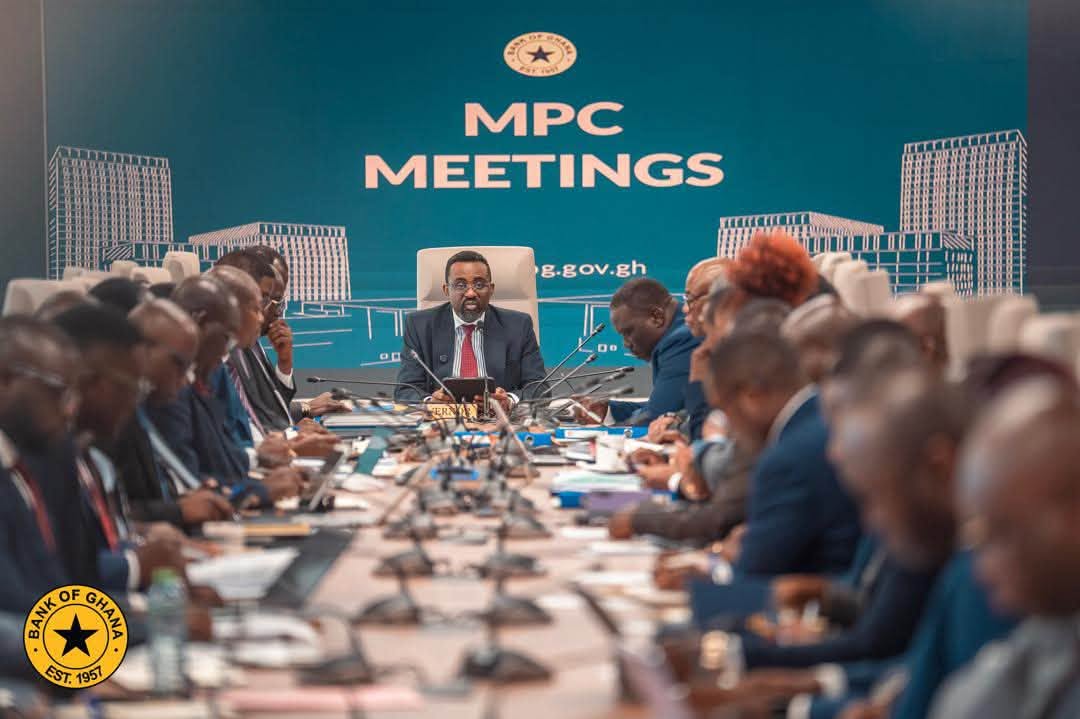
Governor of the Bank of Ghana (BoG), Dr Johnson Pandit Asiama, has indicated that the recent decline in global crude oil prices could ease inflationary pressures in Ghana in the near term, offering some relief to consumers and businesses.
Speaking during the Bank’s 133rd Monetary Policy Committee (MPC) press briefing on November 18, Dr Asiama noted that oil prices falling below US$100 per barrel could help moderate domestic price increases, particularly in fuel-related sectors of the economy.
“The recent decline in crude oil prices below US$100 per barrel may help moderate price pressures in the near term,” the Governor stated.
The remarks come as policymakers continue efforts to sustain gains made in reducing inflation while supporting economic recovery and stability.
However, Dr Asiama cautioned that external risks remain significant and could undermine the positive outlook if global uncertainties intensify.
According to him, escalating geopolitical tensions, persistent inflationary pressures in major economies and uncertainty surrounding global trade could create fresh challenges for financial markets and global economic growth.
“Elevated geopolitical tensions, inflationary pressures, and uncertainty around global trade could trigger financial market volatility and tighter financing conditions in the outlook,” he warned.
The Governor’s assessment reflects growing concerns among central banks worldwide over the impact of geopolitical developments and trade disruptions on capital flows, commodity prices and investment decisions.
Analysts say lower crude oil prices could help reduce imported inflation in Ghana, where fuel costs have a direct impact on transportation, production and consumer prices. Nonetheless, global market shocks remain a key risk factor that could affect economic stability despite recent improvements in macroeconomic conditions.
The BoG’s latest outlook suggests that while easing oil prices present an opportunity to contain inflationary pressures, vigilance will be required to navigate emerging global risks and safeguard the country’s economic gains.