


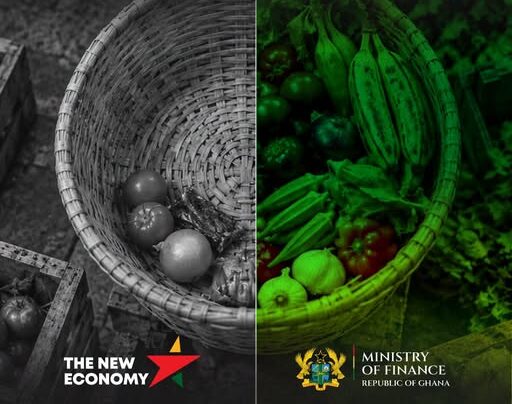
Ghana’s inflation rate has dropped significantly from 40.4 per cent in October 2022 to 5.5 per cent in October 2026, marking a major turnaround in the country’s economic indicators and easing cost-of-living pressures on households.
The latest figures indicate a steady decline in the pace at which prices of goods and services are increasing, providing some relief to consumers who faced severe price hikes during the peak of the inflation crisis four years ago.
Inflation measures the rate at which prices rise over time. A lower inflation rate means that while prices may still be increasing, they are doing so at a much slower pace than before.
According to the Ministry of Finance, the reduction in inflation is expected to lessen pressure on household budgets and make it easier for families to plan and manage their daily expenses.
The decline from the 40.4 per cent rate recorded in October 2022 reflects improved macroeconomic conditions and greater price stability across the economy.
Economists note that lower inflation generally helps to preserve consumers’ purchasing power, supports business planning and contributes to a more stable economic environment.
The latest milestone is being highlighted by government as part of broader efforts to strengthen economic recovery, restore confidence and improve living conditions for Ghanaians.
While challenges remain, the sharp reduction in inflation is being viewed as one of the country’s most significant economic achievements in recent years.