


The University for Business and Integrated Development Studies (UBIDS) has appealed to the government to increase funding, improve infrastructure, address staffing shortages and resolve outstanding administrative and land compensation issues to support the institution’s growth and enhance medical education.
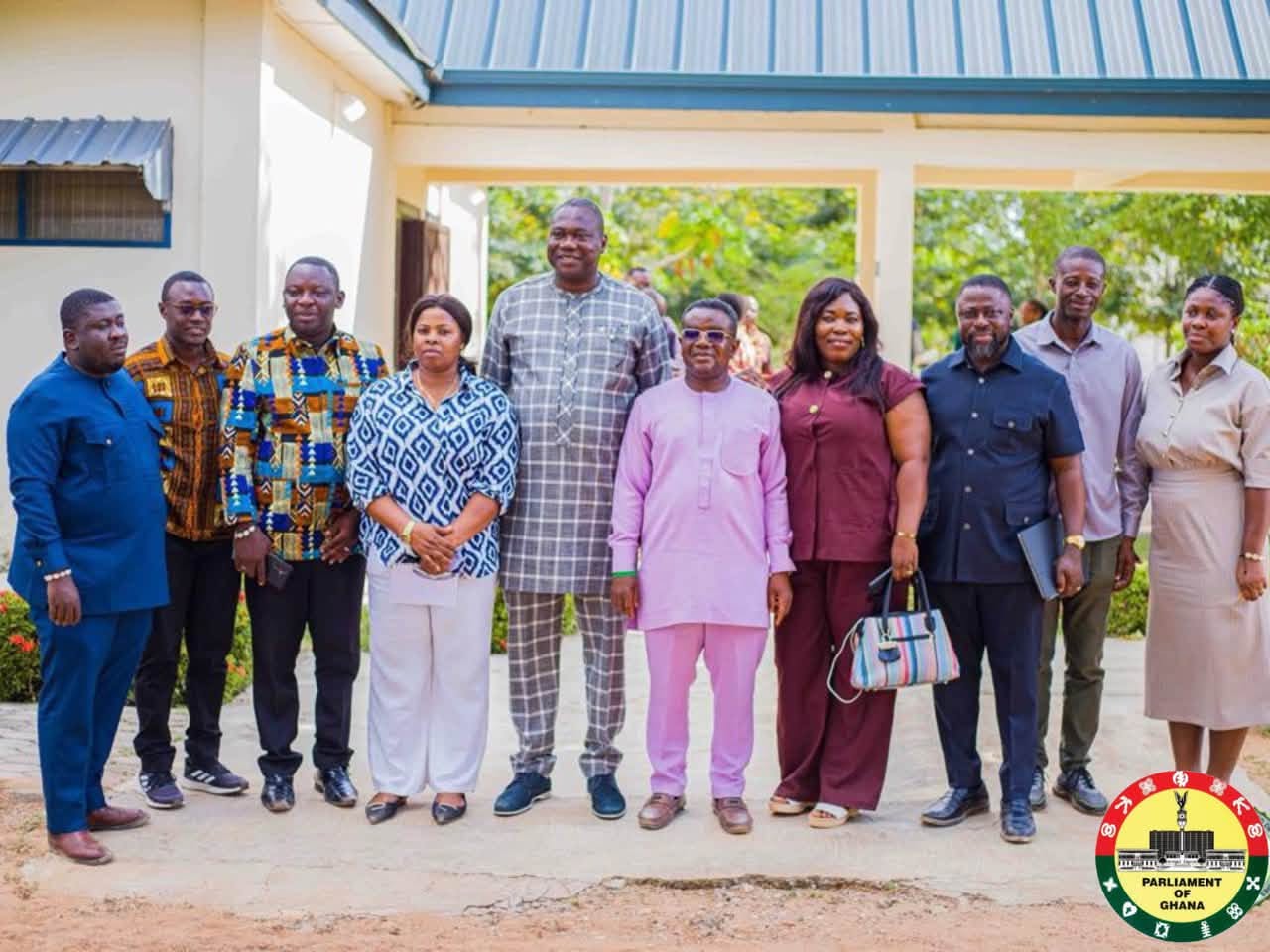
The appeal was made by the Vice-Chancellor of the university, Prof. Emmanuel Deribile Kankyibe, when members of Parliament’s Select Committee on Education paid a monitoring visit to the institution.
During the engagement, Prof. Kankyibe outlined a number of challenges confronting the university, including inadequate financial support, delays in the completion of critical infrastructure projects and insufficient staff to meet the growing demands of the institution.
He stressed that addressing these challenges was essential to improving teaching, learning, research and the delivery of quality medical education.
The Vice-Chancellor further called for the establishment of clear minimum investment standards for public universities, supported by government policy and legislation, to ensure predictable and sustainable funding for higher education institutions.
According to him, a structured investment framework would help universities plan effectively and undertake long-term development initiatives without recurring financial constraints.
Prof. Kankyibe acknowledged the support provided by development partners towards the growth of the university but appealed for greater inclusion of UBIDS in funding opportunities and support programmes.
He noted that as a relatively young institution, UBIDS requires additional resources to strengthen its academic programmes, develop infrastructure and enhance institutional capacity.
The Vice-Chancellor also emphasized the need for urgent attention to unresolved land compensation and administrative matters, which he said continue to affect the university’s development agenda.
Members of the Select Committee on Education toured sections of the university and assessed ongoing projects as part of their oversight responsibility to monitor the state of educational institutions across the country.
The visit formed part of broader efforts by Parliament to identify challenges facing tertiary institutions and engage stakeholders on measures to improve the quality and accessibility of higher education in Ghana.
University authorities expressed optimism that the concerns raised during the visit would receive the necessary attention to enable UBIDS to contribute more effectively to national development, particularly in the areas of higher education, research and healthcare training.